Sustainability & Inclusive Growth
Sustainability & Inclusive Growth
A core strategic priority for Business Mauritius lies in empowering the Mauritian business community to lead in sustainable and inclusive development through collaboration, knowledge sharing, and advocacy.
Our aim here is to drive businesses towards actively participating in sustainable development, while helping in creating the enabling environment for this to happen – through a systems-thinking approach that connects people, policies, and practices for long-term prosperity for the island.
The Sustainability & Inclusive Growth Commission
Set up to define and reinforce the purpose of Business Mauritius within Sustainability & Inclusive Growth, the Sustainability and Inclusive Growth Commission’s mission consists of:
- Advocating for stronger engagement of members in sustainable community development.
- Promoting coherence and coordination of community development actions between members and public authorities.
- Engaging Government and institutions in relevant propositions via the Business Mauritius platform.
- Fostering an enabling environment which supports collective action and long-term sustainable outcomes.
Members of the Sustainability & Inclusive Growth Commission
| Philippe Espitalier-Noël (Chairperson) | ER Group |
|---|---|
| Mickaël Apaya | ER Group |
| Ved Boojihawon | IBL Group |
| Pierre Egot | IBL Energy |
| Daniel Essoo | Mauritius Bankers Association |
| Mary-Ann Griffiths | Bioculture |
| Shirin Gunny | Association of Mauritian Manufacturers/Made in Moris |
| Jennifer Johnson | Absa Bank (Mauritius) Ltd |
| Tony Lee Luen Len | Ecosis Ltd |
| Ravi Luckhun | Currimjee Group Ltd. |
| Christian Nanon | Harel Mallac |
| Dina Ramgobeen-Gukool | MCB Ltd |
| Caroline Rault | Eclosia |
| Jacqueline Sauzier | Mauritius Chamber of Agriculture |
| Divya Servansing | CIEL Group |
| Corrine Stoutenbeek | ER Group |
| Vanessa Doger de Spéville | MCB Ltd |
Energy Transition Subcommittee
Engages the private sector in Mauritius’ shift from fossil fuels to a low-carbon energy future. It supports national goals of 60% renewable energy by 2035, 40% GHG reduction by 2030, and greater energy efficiency, while aligning with global SDGs on clean energy, innovation, sustainable cities, and climate action.
Circular Economy Subcommittee
Drives Mauritius’ transition from a linear to a circular economy by minimising waste, maximising resource use, and promoting recycling, reuse, and regeneration. Its work focuses on four pillars—sustainable product design, responsible consumption, circular business models, and effective waste management—while contributing to global SDGs on growth, innovation, sustainable cities, responsible consumption, and climate action.
Construction Working Group
Promotes circular economy practices in the construction and real estate sectors by repurposing materials and reducing construction and demolition waste sent to landfills through better recycling and management.
Inclusive Growth Subcommittee
Addresses systemic inequalities by pooling private sector efforts to create jobs, invest responsibly, and support communities, while building synergies with government, NGOs, and civil society. The Subcommittee works to deliver long-term value and better lives for all, aligning with global goals on poverty reduction, equality, decent work, and inclusive institutions.
NGO Working Group
Sitting under the Inclusive Growth Subcommittee, this working groupb rings together NGOs from 10 different fields and the business community to strengthen collaboration, address challenges, and enhance impact—supporting BM’s vision of inclusive growth and togetherness.
Social Enterprise Working Group
Under the Inclusive Growth Subcommittee, this working group supports the growth and empowerment of social enterprises by fostering collaboration with corporates, promoting scalability, and addressing sector challenges through practical solutions and policy recommendations.
Vibrant Communities
Promotes the integration of culture, heritage, well-being, and inclusive spaces into sustainable development. By highlighting human connection and community resilience, it works to ensure that social and cultural dimensions are valued in public policy and business practices—spanning areas such as arts, sports, spatial planning, and the creative economy.
Biodiversity
This subcommittee supports conservation and restoration efforts by engaging the private sector in science-based, regenerative action. It works to protect ecosystems on land and at sea, embed biodiversity into business and policy, mobilise resources, and promote innovative models that create long-term value while reducing environmental harm.
The SIG Team
The Sustainability & Inclusive Growth team at Business Mauritius is responsible for executing the strategic objectives set out by the Sustainability & Inclusive Growth Commission. Tasked with developing strategic tools and guidelines to help empower businesses with climate change mitigation and adaptation and energy transition, it provides various networking and multi-stakeholder collaborative platforms for businesses to build capacity and knowledge in matters of sustainability and inclusive growth.
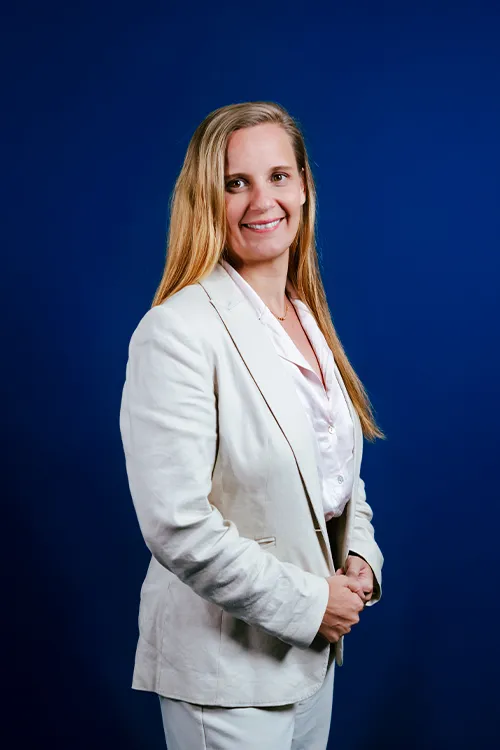
Amandine Hardowar de Rosnay
Head of Sustainability and Inclusive Growth
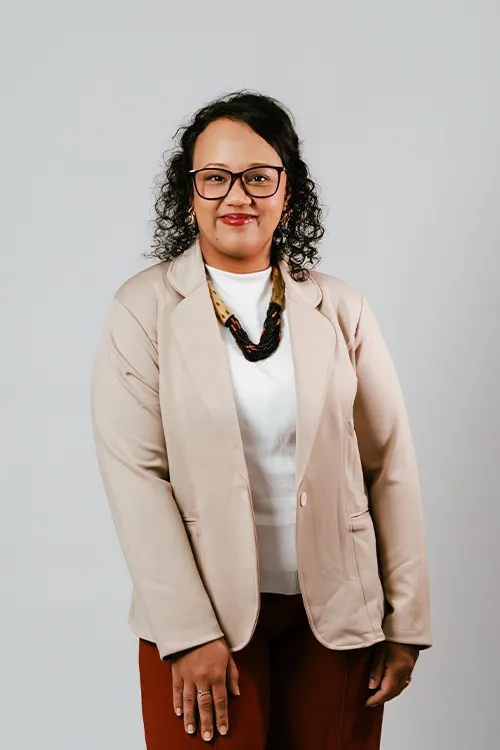
Kelly Peerun
Project Manager of SUNREF Technical Assistance

Shanjana Canakiah
Inclusive Growth Coordinator
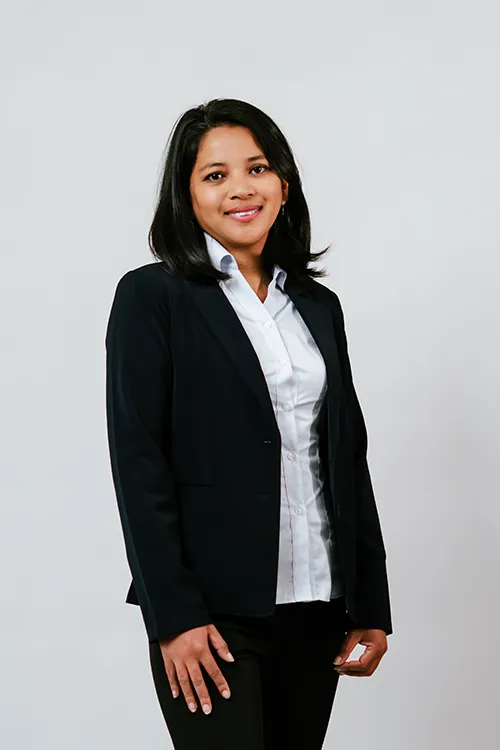
Irina Randrianalidera-Cotte
Project Assistant
Club des Entrepreneurs de la Transition Énergétique
An initiative under the Energy Transition Subcommittee, this club unites companies and professionals to share insights, address challenges, and collaborate on the shift to sustainable energy—supporting carbon neutrality goals and engaging on key policies and sector developments.
Club des Entrepreneurs de l’Économie Circulaire
Organised under the Circular Economy Subcommittee with the Association of Mauritian Manufacturers, this club meets three times a year to exchange best practices and showcase business, academic, and policy initiatives driving the circular economy locally and regionally.
GEF – ISLANDS Project (Indian Ocean Region)
A Global Environment Facility initiative implemented by UNDP to 2027, supporting hazardous waste management in Comoros, Maldives, Mauritius, and Seychelles. Business Mauritius, in partnership with the Indian Ocean Commission, leads the private sector engagement strategy across the four islands.
Waste Management & Segregation
A 6-month initiative with AFD and EU support, helping 20 major companies anticipate new legislation and improve waste practices. The project promotes reuse, industrial symbiosis, and source separation—advancing Mauritius’ Circular Economy roadmap and national sustainability goals.
EU Implementation of the Circular Economy Roadmap
A €3.5 million EU-funded, four-year programme providing technical assistance to implement Mauritius’ Circular Economy Roadmap. Focused on construction and demolition waste, the project supports a Circular Economy Hub at Business Mauritius, fostering peer learning, financing opportunities, and stronger business engagement.
Meet the Facilitators of Inclusive Development
An initiative under the Inclusive Development Guidelines, this programme connects the Network of Champions with NGOs, social enterprises, public bodies, and individuals offering tools and expertise to support implementation. Facilitators present their solutions in one-hour online sessions, helping businesses turn commitments into action.
Network of Champions for Inclusive Development
Brings businesses together with experts, NGOs, and social enterprises to share success stories and challenges on topics such as supporting vulnerable employees, inclusive employment, and non-financial support to NGOs. Sessions are hosted by partner companies to foster peer learning and collaboration.
NGO Connect
A platform by Business Mauritius, funded by Absa Bank (Mauritius) Ltd, that strengthens collaboration between NGOs and businesses. Through quarterly networking events, it fosters partnerships, visibility, and resource sharing—mobilising collective strengths for a more inclusive and sustainable society.
Water Stewardship Forum
Provides a platform for businesses and communities to collaborate on the sustainable use and management of water resources. It supports adopters of the Water Stewardship Guidelines in turning commitments into concrete business actions.
SUNREF
From 2018 to 2025, Business Mauritius coordinated the Sustainable Use of Natural Resources and Energy Finance (SUNREF) programme with AFD and local partner banks. This green credit line supported over 200 projects in energy efficiency, renewable energy, and sustainable resource use across key sectors like construction, hospitality, manufacturing, and agriculture—delivering both financial and technical assistance. The programme officially closed in June 2024.